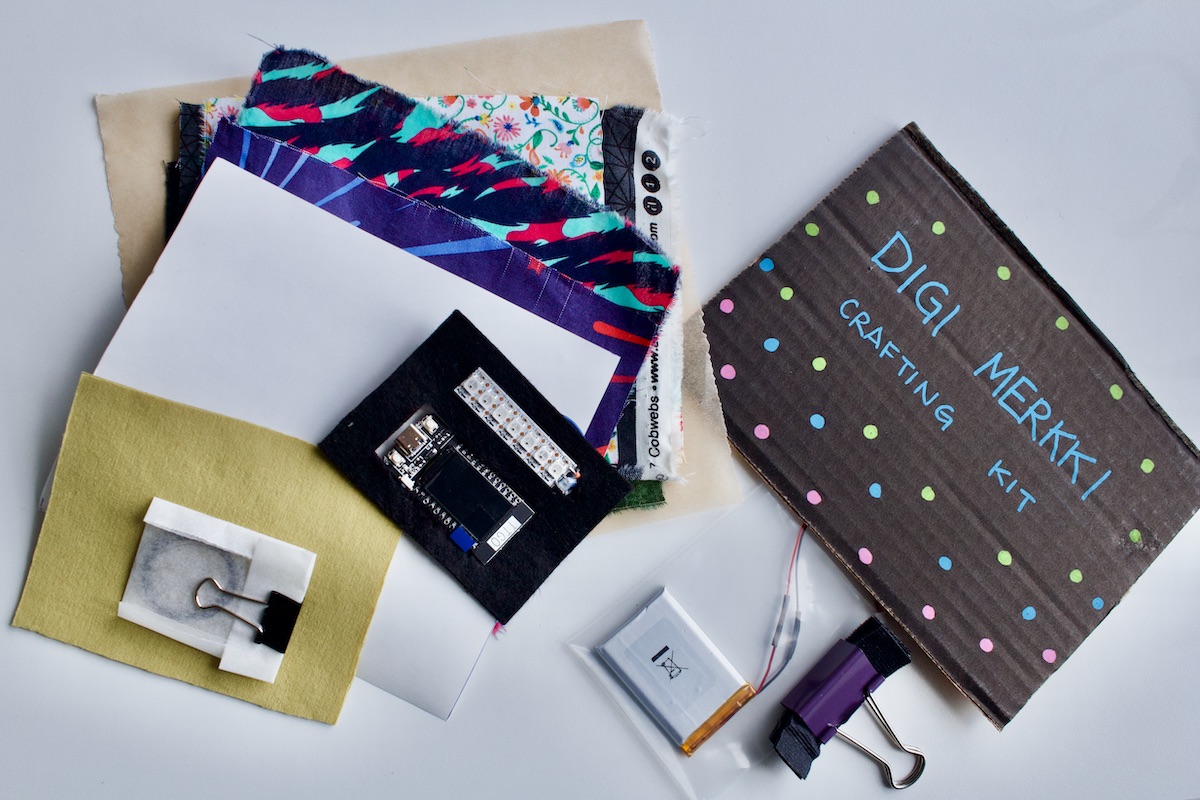
With my defense ended a journey that had started with building an LED top-hat years before and the question what would happen if others could remotely control my appearance. In Finland, doctoral graduates receive a top hat as a symbol of their degree, which closes this cycle also metaphorically. My doctoral research investigated how technology might alter our everyday attire and how this will change the way we interact with each other. Imagine clothing and accessories that not only give comfort and reflect your style but respond to your emotions, social contacts, and online media.

Continue reading
Global challenges call for rapid methods that support long-term thinking. We developed Future Ripples, a workshop for innovation teams to map out the consequences of their work. Our method structures the foresight process of scanning, framing and futuring through the metaphor of scanning a shore, choosing a pebble and creating ripples. Beyond its practical use, our method develops anticipatory capacities through structured futuring.

Continue reading

Will we in the future wear Memes? Nordic students already do. Despite two decades of HCI research on social wearables, we are yet to see widespread adoption. In our generative design research, we investigate the use of social wearables in the students’ practice of wearing and adorning boiler suits. We found a variety of social interactions, including spamming and digital memes, as a concept for designers.

Continue reading

🦁 Hooze

in Research

In a week-long workshop we – Patrycja Zdziarska, Walther Jensen and me – designed Hooze: A Kinetic Fashion Accessory for Touch and Play. We presented our work on Tangible, Embedded, and Embodied Interaction 2019.

Continue reading

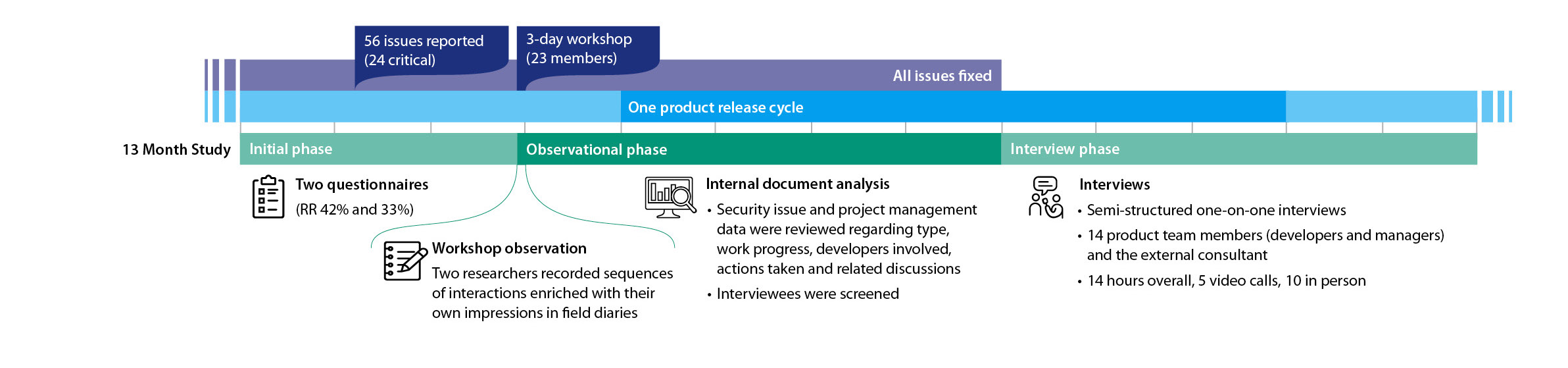
In a year-long study, we observed an agile software development team to understand how it establishes security practices following a security consultancy. This included in-situ observation at a security workshop and interviews with developers and management. In our long paper for CSCW 2017 we found that the consultancy helped build understanding, but was not sufficient to shift organizational routines.

Continue reading

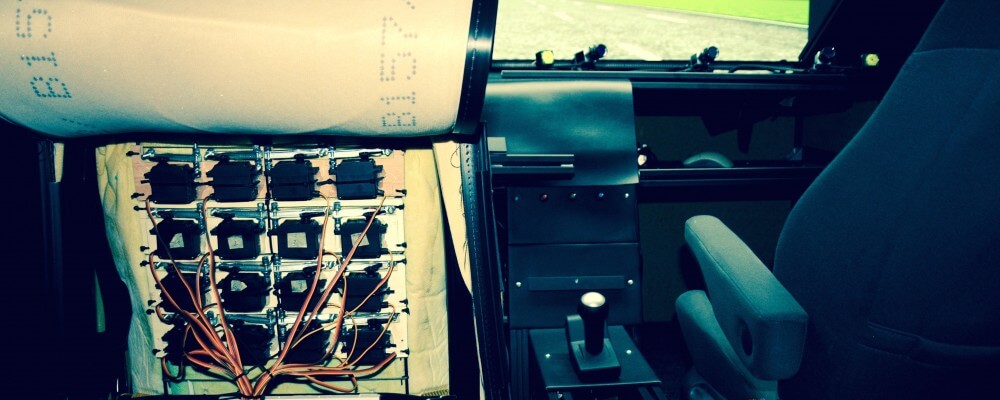
Dorsal Haptic Display is an automotive interface questioning how we perceive a car’s surroundings. Motors in a car seats backrest stimulate the driver’s back with a projection of rear obstacles. We conducted a first user study to prove basic functionality and presented our results at AutomotiveUI 2015 in Nottingham, UK, in September.

Continue reading

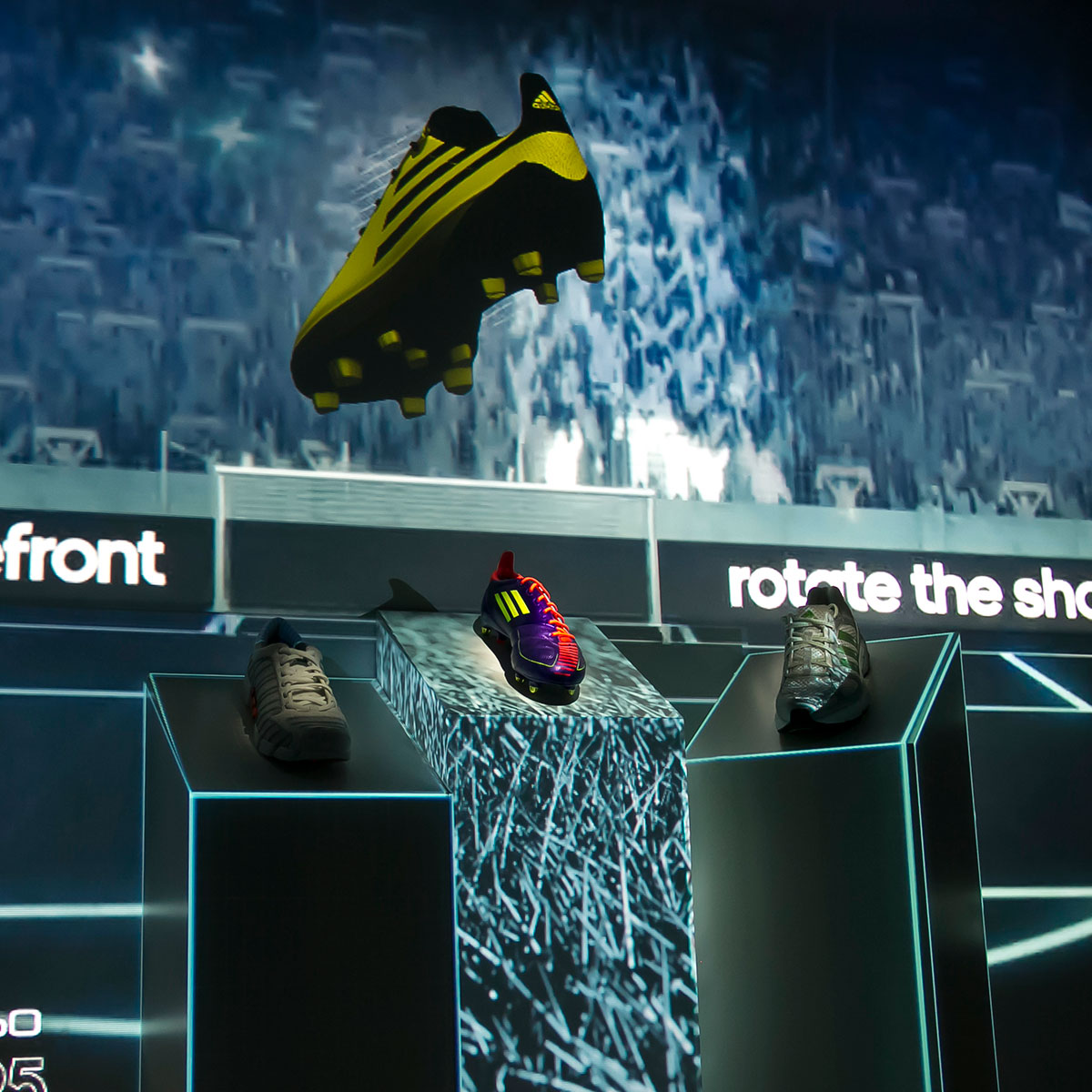
Interactive Storefront is a media installation to engage with a shop window during closing hours. Together with Thomas Grah I developed an intuitive and engaging multiuser experience based on projection mapping and the Kinect controller. The project was developed in 2011 as our Bachelor project during a internship at adidas.

Continue reading
  • page 1 of 1
Author's picture

Felix A. Epp

I am a transdisciplinary design researcher at the Department of Design at Aalto University and the Social Computing Group at the University of Helsinki, working at the intersection of HCI, futures studies, and the political dimensions of digital technologies. My work is defined by methodological agility and innovation β€” moving between psychological, social-scientific, and artistic approaches across domains as varied as web and UX design, automotive interfaces, dress culture, and digital politics. I am particularly interested in how sociotechnical imaginaries and ideologies shape the technologies we live with, and in developing new methods to bring anticipatory and critical perspectives into design and technology innovation. Find my publications on Google Scholar.


Postdoctoral Researcher


Helsinki, Finland